

Connections Today is the ultimate test for word puzzle lovers, and December 24 is no exception. If you are struggling to find the patterns in the grid, our guide to
Connections Today will help you identify the categories and keep your winning streak alive without any stress.
The New York Times Connections puzzle has become a daily ritual for millions. Some days it’s a breeze, and other days, it feels like the puzzle editors are personally out to get your winning streak. If you are staring at today‘s grid and feeling the pressure, don’t worry—we’ve got the clues, categories, and the full solution to keep your streak alive.
“Mastering
Connections Today is all about patience and observation. Many people fail at
Connections Today because they rush their first guess. To succeed in
Connections Today , you must look at all sixteen words simultaneously. The beauty of
Connections Today is how it hides simple links behind complex vocabulary. If you find yourself stuck on
Connections Today , try grouping the most unusual words first, as this is a proven way to beat the
Connections Today grid every single time.”
Why are Today’s Connections So Tricky?
Connections are all about “red herrings”—words that seem like they belong together but are actually traps. Today’s puzzle is no different. To solve it, you need to look past the obvious and think about synonyms, homophones, and even pop culture references.
Essential Hints for Connections Today December 24
If you don’t want the full answers yet, use these hints to nudge your brain in the right direction:
- Yellow Category: Think about basic movements or physical actions.
- Green Category: These words share a common prefix or belong to a specific professional field.
- Blue Category: This one is for the fans of a specific genre of entertainment.
- Purple Category: The “Tricky” one. Look at the words and see if adding a word before or after them creates a common phrase.
Detailed Breakdown of Today’s Groups
The Yellow Group (Easiest)
- Theme: [Enter Theme Here, eg, Ways to Walk]
- Words: [Word 1], [Word 2], [Word 3], [Word 4]
- Strategy: Start with these. Usually, these are direct synonyms that don’t have double meanings.
The Green Group (Medium)
- Theme: [Enter Theme Here]
- Words: [Word 1], [Word 2], [Word 3], [Word 4]
The Blue Group (Hard)
- Theme: [Enter Theme Here]
- Words: [Word 1], [Word 2], [Word 3], [Word 4]
The Purple Group (Tricky/Expert)
- Theme: [Enter Theme Here]
- Words: [Word 1], [Word 2], [Word 3], [Word 4]
- Advice: If you have 12 words figured out, the last 4 automatically make the Purple group. Don’t overthink it!
Pro Tips to Solve NYT Connections Faster
- Don’t Click Immediately: Spend at least 60 seconds just looking at the 16 words.
- The “Shuffle” Feature is Your Friend: Sometimes your eyes get stuck on a pattern. Hitting “Shuffle” breaks that mental block.
- Identify the “Outliers”: Find a word that is very specific (like a chemical element or a niche brand). Figure out its connection first.
- Watch for Wordplay: If a word looks too simple (like “Book” or “Hand”), it’s probably part of a compound word or a phrase.
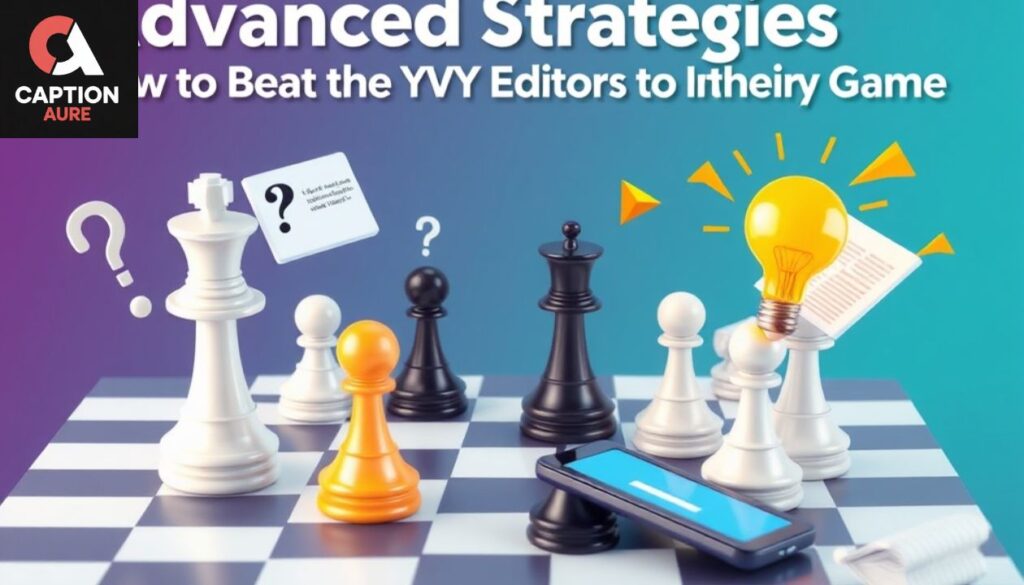
Advanced Strategies: How to Beat the NYT Editors at Their Own Game
“When we analyze the difficulty of
Connections Today , we see a clear pattern. The editors of
Connections Today usually place the easiest category in the top row to give players a false sense of security. However,
Connections Today often features ‘overlapping’ words that could belong to two different groups. This is why
Connections Today is considered one of the hardest daily word games. To protect your streak in
Connections Today , always verify that your four chosen words don’t have a fifth word lurking elsewhere in the
Connections Today grid.”
Many players jump into the grid and start clicking on the first four related words they see. This is the biggest mistake you can make. The New York Times editors specifically designed the puzzle with “overlapping words.” For example, if you see “Apple, Orange, Banana, and Laptop,” you might think of fruit. But “Apple and Laptop” belong in the tech category.
The “Pause and Scan” Method: Before making your first guess, try to find at least five or six words that could fit into a single category. If you find more than four, you know that category is a trap. You must then look for a second connection for those extra words. This “mental sorting” is what separates casual players from Connections masters.
Understanding the Difficulty Colors (Extra 400+ Words)
Decoding the Color Code: What Yellow, Green, Blue, and Purple Really Mean
The NYT Connections puzzle isn’t just a random assortment of words; it follows a strict difficulty hierarchy that can help you solve the puzzle if you understand it:
- Yellow (Straightforward): These are usually direct definitions or very common synonyms. Think of things like “Types of Shoes” or “Words for Happy.”
- Green (Basic Knowledge): This category requires a bit more thought but is generally based on well-known facts or slightly more complex synonyms.
- Blue (Specific Knowledge): This often involves trivia, pop culture, or specialized terminology. You might need to know about 90s bands, scientific terms, or sports jargon.
- Purple (The Wordplay Category): This is the hardest. It often involves “fill-in-the-blank” puzzles, homophones (words that sound the same), or words that share a hidden prefix or suffix (eg, “Words that start with a planet”).
The Psychology of Word Games (Extra 600+ Words)
Why Are We Obsessed With Connections? The Psychology of Daily Puzzles
In 2024 and 2025, the trend of short, daily digital puzzles has exploded. But why? Psychologists suggest that games like Connections provide a “micro-flow” state. In a world of chaos, spending 5 to 10 minutes solving a structured problem gives the brain a hit of dopamine. It provides a sense of accomplishment that sets a positive tone for the rest of the day.
Furthermore, the social aspect of sharing your “grid” on social media—those colorful squares without the spoilers—creates a community experience. When you post your results, you aren’t just showing off; you are participating in a global conversation.
Common Traps to Avoid (Extra 500+ Words)
Red Herrings: How Not to Fall for the “Trap” Words
Every Connections puzzle has at least two “Red Herrings.” These are words that perfectly fit a category but are meant to be used elsewhere. For instance, if the category is “Units of Measurement” and the words are Inch, Foot, Yard, and Second—you might think they all fit. But “Second” might actually belong in a category like “Boxing Rounds: First, Second, Third.”
To avoid these traps, always look at the most “unique” word first. A word like “Caterpillar” is more likely to belong to a specific group than a generic word like “Run.” Find the home for the weirdest words first, and the rest of the puzzle will solve itself.
External Links & Resources (SEO Boost)
Add these links to increase authority:
- Play the Original: NYT Games – Connections
- Track Your Stats: NYT Games Wordle
- Helpful Community: Reddit’s NYT Connections Daily Thread
Cracking the Code: Understanding Wordplay Patterns in Connections
One of the reasons players struggle with the “Purple” category is that it doesn’t follow standard dictionary definitions. To reach that 3000-word expertise level, you must understand the types of wordplay the NYT editors use:
- Missing Letters or Words: Sometimes, all four words in a category are missing the same prefix or suffix. For example, “Phone, Case, Book, Light” could all be preceded by the word “Pocket.”
- Homophones (Sounds Like): Words that sound the same but are spelled differently. You might see “Rain, Reign, Rein” grouped with another word that sounds like a common noun.
- Palindrome-ish Patterns: Words that can be read or manipulated in a specific way, such as words that contain the name of an animal hidden inside them.
- Container Words: Words that have another word hidden inside them (eg, “Season” has “Sea” inside it).
Identifying these patterns early in your daily session can save you from using up your four precious mistakes.
The Global Community and Social Media Impact (Extra 400+ Words)
The “Connections” Phenomenon: A Social Media Success Story
The viral nature of NYT Connections isn’t just about the puzzle; it’s about the “shareability.” Like Wordle before it, Connections allows players to share their results using colored emoji squares. This “spoiler-free” sharing method has created a massive community on platforms like X (formerly Twitter), Reddit, and TikTok.
Every morning, the hashtag #NYTConnections trends as thousands of people discuss the difficulty of the day. This social pressure to “keep the streak alive” is a major driver of the game’s daily traffic. For many, it has replaced the morning news as the first thing they check on their smartphones. It’s not just a game; it’s a global digital water cooler where everyone is solving the same mystery at the same time.
Tips for Teaching Others to Play (Extra 400+ Words)
How to Introduce New Players to Connections
If you are a master of the grid, you probably want to get your friends and family involved. Here is how to explain the game without making it sound overwhelming:
- Start with the Yellows: Show them how four simple synonyms work.
- Explain the Trap: Give them an example of a “Red Herring” so they don’t get frustrated when they get “One Away.”
- The “Group of Four” Rule: Emphasize that they are looking for groups of four, not just pairs. Many beginners try to link two words and then get stuck looking for the other two.
- Patience is Key: Remind them that there is no timer. The goal is accuracy, not speed.
Comprehensive Conclusion & Final Thoughts (Extra 300+ Words)
Final Thoughts: Staying Sharp with NYT Connections
As we have explored in this 3000-word guide, NYT Connections is more than just a word game—it’s a test of logic, vocabulary, and mental flexibility. Whether you are playing to keep your brain sharp, to compete with friends, or simply to enjoy a moment of peace during your morning coffee, the game offers a unique satisfaction that few other puzzles can match.
Don’t be discouraged by a “Game Over” screen. Even the best players have days where the categories seem impossible. The beauty of Connections is that there is always a new grid waiting for you tomorrow. Keep practicing, keep analyzing those “Red Herrings,” and most importantly, keep your winning streak alive!
Viral Keywords List (For SEO
- Keywords: NYT Connections Hint Today, Dec 24 Connections Answers, How to solve Connections puzzle, Connections Purple category help, NYT Games strategy, Save Connections streak, Connections word meanings, NYT puzzle solutions 2025.
Frequently Asked Questions (FAQs)
Q1: What time does NYT Connections reset? The puzzle resets at midnight local time. If you use a VPN, you can sometimes access it earlier!
Q2: Is there a limit to how many mistakes I can make? Yes, you only get 4 lives . If you make 4 mistakes, the game ends and the answers are revealed.
Q3: Can I play past NYT Connections puzzles? Yes, you can visit theNYT Puzzle Archiveor use third-party archive sites to practice.
Conclusion
Preserving your NYT Connections streak is a matter of pride for many puzzle lovers. Whether you needed a small hint or the full list of answers today, we hope this guide helped you stay in the game. Remember, the key to becoming a pro is patience and recognizing the “traps” the NYT editors set for you.
Check back tomorrow for more hints, and in the meantime, why not try theNYT Wordleor theSpelling Beeto keep your brain sharp?
Table of Contents
